
双耀
Exploring the Benefits of Famous High Pressure Injection Pumps in Industrial Applications
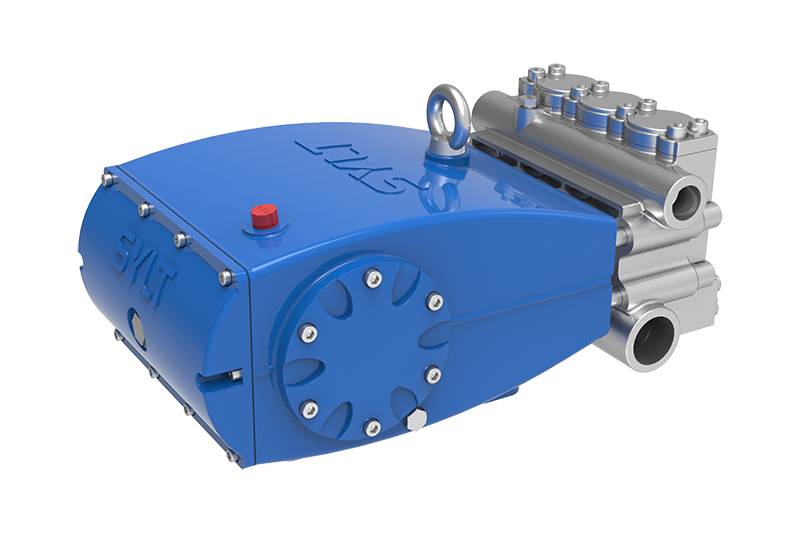
Introduction to High Pressure Injection Pumps
High pressure injection pumps serve a crucial function in numerous industrial applications. These pumps are engineered to deliver fluids at elevated pressures, making them indispensable for tasks ranging from fuel injection in automotive engines to managing chemical processes in manufacturing plants. Their robust design and capabilities ensure they handle the demanding requirements of modern industries effectively.
Understanding the Mechanism of High Pressure Injection Pumps
High pressure injection pumps operate using a series of components that work in harmony to generate the necessary pressure to inject fluids. The fundamental working principle involves converting mechanical energy into hydraulic energy.
Key Components of High Pressure Injection Pumps
1. **Pump Housing**: The main body that encases the internal components, providing structural integrity.
2. **Piston or Plunger**: This is the primary element responsible for pressurization. As the piston moves, it compresses the fluid within the housing.
3. **Valves**: Control the flow of the fluid, ensuring it enters and exits the pump at the correct times.
4. **Seals and Gaskets**: Prevent leaks, ensuring operational efficiency and safety.
Types of High Pressure Injection Pumps
Different types of high pressure injection pumps cater to various needs:
- **Diaphragm Pumps**: Ideal for applications needing precise flow control.
- **Plunger Pumps**: Suitable for high flow rates and pressures, commonly used in oil and gas extraction.
- **Gear Pumps**: Effective for transferring viscous fluids, often found in chemical processing industries.
The Importance of High Pressure Injection Pumps in Industrial Applications
In an era where efficiency and reliability are paramount, high pressure injection pumps provide critical support across a wide range of industrial applications.
Enhancing Operational Efficiency
High pressure injection pumps are engineered to operate under extreme conditions, ensuring consistent performance. Their ability to maintain high flow rates while minimizing downtime is an essential factor in enhancing overall operational efficiency. By investing in quality pumps, industries can reduce maintenance costs and increase productivity.
Improving Product Quality
The precise delivery of fluids ensures that the correct mixture and pressure are achieved, leading to improved product quality. Whether in the automotive sector or chemical manufacturing, the reliability of high pressure injection pumps directly correlates with the quality of the final product.
Benefits of High Pressure Injection Pumps
The adoption of high pressure injection pumps presents numerous advantages for industrial applications.
1. Increased Productivity
High pressure injection pumps facilitate rapid fluid movement, thereby shortening processing times. This speed allows production lines to function more efficiently, directly contributing to increased throughput.
2. Cost-Effectiveness
Although the initial investment in high pressure injection pumps may be significant, their durability and efficiency lead to long-term savings. Reduced maintenance needs and lower energy consumption can dramatically decrease operational costs over time.
3. Versatility Across Industries
These pumps can operate in various environments, making them suitable for multiple applications. From agriculture to pharmaceuticals, high pressure injection pumps can adapt to different fluid types and pressure requirements, showcasing their versatility.
4. Enhanced Safety Features
Safety is a paramount concern in industrial environments. High pressure injection pumps are designed with safety mechanisms to prevent leaks and failures, thereby reducing workplace hazards. Their robust construction and reliable performance contribute to a safer operational environment.
5. Environmental Benefits
By optimizing fluid transfer and minimizing waste, high pressure injection pumps contribute to greener industrial practices. Efficient fuel use and reduced emissions help companies meet sustainability goals, aligning with global efforts to promote environmentally friendly practices.
Choosing the Right High Pressure Injection Pump
Selecting an appropriate high pressure injection pump involves several considerations to ensure optimal performance.
1. Application Requirements
Understanding the specific needs of your application is crucial. Factors such as fluid viscosity, temperature, and pressure requirements will influence the type of pump needed.
2. Flow Rate and Pressure Ratings
Evaluate the required flow rate and pressure for your processes. High pressure injection pumps come with various specifications, and choosing one that matches your operational needs will enhance efficiency.
3. Material Compatibility
Ensure that the materials used in the pump construction are compatible with the fluids being pumped. This compatibility will prevent corrosion and prolong the life of the pump.
4. Maintenance and Support
Consider the availability of maintenance services and support from the manufacturer. A reliable supplier will provide essential guidance and assistance throughout the pump’s lifespan.
Case Studies: High Pressure Injection Pumps in Action
Real-world applications showcase the significant advantages of high pressure injection pumps.
1. Oil and Gas Industry
In the oil and gas sector, high pressure injection pumps are instrumental in enhanced oil recovery (EOR) processes. By injecting fluids at high pressures, companies can maximize extraction rates, ensuring higher yields from existing wells.
2. Chemical Manufacturing
Chemical manufacturers often rely on high pressure injection pumps to manage the mixing of reactive substances. These pumps ensure precise control over chemical reactions, enhancing safety and product consistency.
3. Automotive Applications
In automotive engines, high pressure injection pumps are critical for fuel delivery. They ensure efficient combustion, contributing to improved engine performance and reduced emissions.
Future Trends in High Pressure Injection Pumps
As technology advances, high pressure injection pumps are evolving to meet modern industrial demands.
1. Automation and Smart Technology
The integration of IoT and smart technologies is transforming how high pressure injection pumps operate. Automated systems offer real-time monitoring and control, enhancing efficiency and reducing the likelihood of human error.
2. Energy Efficiency Improvements
Future designs will focus on energy efficiency, reducing consumption while maintaining performance. These innovations will align with global sustainability goals and contribute to lower operational costs.
3. Advanced Materials
The use of advanced materials in pump construction will enhance durability and resistance to corrosion, further extending the lifespan of high pressure injection pumps in challenging environments.
FAQs
1. What industries use high pressure injection pumps?
High pressure injection pumps are used in various industries, including oil and gas, chemical manufacturing, automotive, and agriculture.
2. How do I maintain my high pressure injection pump?
Regular maintenance includes checking seals, cleaning filters, and monitoring pressure levels to ensure optimal performance.
3. What are the common problems associated with high pressure injection pumps?
Common issues include leaks, abnormal noises, and reduced performance, often caused by wear and tear or improper maintenance.
4. Can high pressure injection pumps handle viscous fluids?
Yes, but the selection of the pump type is crucial to ensure it can manage the viscosity of the fluid effectively.
5. How long do high pressure injection pumps typically last?
With proper maintenance, high pressure injection pumps can last several years, often exceeding their expected lifespan.
Conclusion
High pressure injection pumps are vital components in many industrial applications, offering unmatched benefits such as increased productivity, cost savings, and enhanced safety. Their versatility makes them suitable for various sectors, including oil and gas, chemical manufacturing, and automotive industries. As we move toward a more automated and energy-efficient future, the role of these pumps will continue to expand, driving innovation and sustainability in industrial processes. By understanding the benefits and selecting the right pump for specific applications, industries can optimize their operations and achieve greater efficiency and reliability.

The 17th China International Powder Metallurgy and Hard Alloy Exhibition
The 2025 17th China International Powder Metallurgy and Hard Alloy Exhibition from March 10-12, 2025, at the Shanghai World Expo Exhibition and Convention Center, Hall H1, B425. We welcome guests to visit.
"Private custom" product design, reliable and durable finished products
"Private custom" like product design, reliable and durable finished products, professional and timely after-sales service. It is the "three basic concepts" that the company adheres to from the beginning until today ".
Experienced market research team, independent product development concept
We have experienced mature market research team, independent product research and development concept, professional design and manufacturing technology so that the company's products can be adjusted according to the specific requirements of customers timely design
Contact CONTACT
Address: No.2 Road, Xiaodian Town Industrial Zone, Beichen District, Tianjin


