
双耀
Unlocking Efficiency: The Indispensable Role of Quality High Pressure Injection Pumps in Industrial Applications
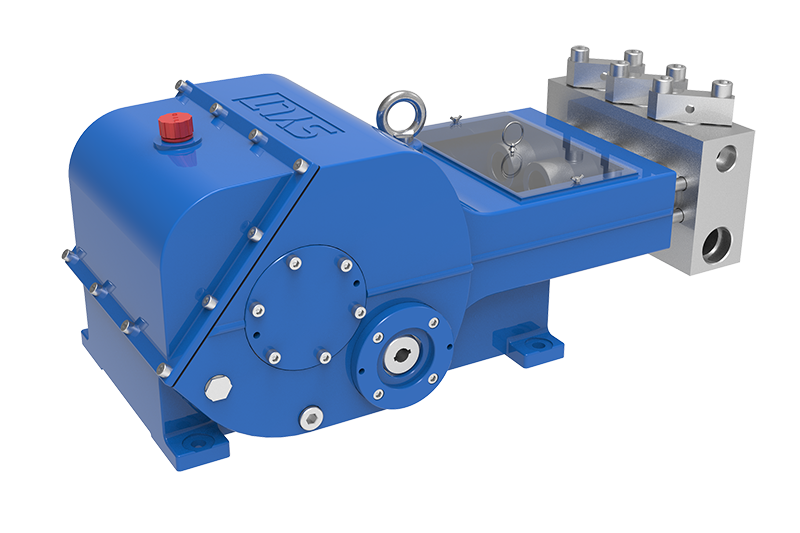
Unlocking Efficiency: The Indispensable Role of Quality High Pressure Injection Pumps in Industrial Applications
Table of Contents
- 1. Introduction to High Pressure Injection Pumps
- 2. What Are High Pressure Injection Pumps?
- 3. Key Applications of High Pressure Injection Pumps in Industry
- 4. Benefits of Quality High Pressure Injection Pumps
- 4.1 Enhanced Efficiency
- 4.2 Reduced Operating Costs
- 4.3 Improved Product Quality
- 4.4 Increased Longevity
- 5. Factors to Consider When Selecting High Pressure Injection Pumps
- 6. Maintenance and Repair of High Pressure Injection Pumps
- 7. Common Issues and Solutions
- 8. Frequently Asked Questions
- 9. Conclusion
1. Introduction to High Pressure Injection Pumps
High pressure injection pumps play a vital role in various industrial applications, delivering fluid under high pressure to facilitate essential processes. These pumps are engineered to handle the demanding conditions of industrial environments, ensuring optimal performance and reliability. In this article, we will explore the benefits and applications of quality high pressure injection pumps, offering insights into how they can enhance operational efficiency.
2. What Are High Pressure Injection Pumps?
High pressure injection pumps are specialized devices designed to transfer liquids at elevated pressures, typically ranging from 1,000 psi to over 10,000 psi, depending on the application. They are commonly used in scenarios that require the precise delivery of fluids, including chemicals, fuels, and water. The construction of these pumps often involves durable materials capable of withstanding corrosion and wear, ensuring longevity and reliability.
3. Key Applications of High Pressure Injection Pumps in Industry
High pressure injection pumps are utilized in a variety of industrial sectors, each with unique requirements and challenges. Understanding these applications is crucial for determining the right pump for your needs.
3.1 Oil and Gas
In the oil and gas industry, high pressure injection pumps are essential for enhanced oil recovery and hydraulic fracturing processes. They inject water, chemicals, or other fluids into reservoirs to stimulate production, ensuring maximum extraction efficiency.
3.2 Chemical Processing
Chemical manufacturers rely on high pressure injection pumps for the precise control of fluid dynamics during the mixing and reaction processes. These pumps facilitate the accurate injection of reactants, ensuring consistent product quality.
3.3 Water Treatment
Water treatment facilities utilize high pressure injection pumps for chemical dosing, helping to purify water and maintain safe drinking standards. They ensure that the correct dosage is delivered under high pressure for effective treatment.
3.4 Food Processing
In food processing, these pumps are used to inject ingredients or additives into products, ensuring uniform distribution and quality. They help maintain hygiene standards while delivering high performance.
4. Benefits of Quality High Pressure Injection Pumps
Investing in quality high pressure injection pumps can significantly impact operational efficiency. Here are some key benefits:
4.1 Enhanced Efficiency
High quality pumps are designed for optimal performance, ensuring that fluids are delivered consistently and efficiently. This enhanced efficiency translates to quicker processing times and improved productivity.
4.2 Reduced Operating Costs
While the initial investment in quality pumps may be higher, the long-term savings on maintenance and energy consumption can be substantial. Efficient pumps reduce the energy required to operate, lowering overall operating costs.
4.3 Improved Product Quality
Quality high pressure injection pumps enable precise control over fluid delivery, resulting in improved consistency and quality of the final product. This is particularly crucial in industries with strict quality standards, such as food and pharmaceuticals.
4.4 Increased Longevity
Durable materials and superior engineering in quality pumps lead to increased longevity. By reducing the frequency of replacements and repairs, businesses can operate more smoothly and cost-effectively.
5. Factors to Consider When Selecting High Pressure Injection Pumps
Selecting the right high pressure injection pump requires careful consideration of several factors:
5.1 Pump Design
The design of the pump directly affects its performance. Options include positive displacement pumps and centrifugal pumps, each suited for different applications. Assessing the design will help determine the best fit for your operational needs.
5.2 Material Consideration
Given the harsh conditions often encountered in industrial environments, material selection is crucial. Pumps made from corrosion-resistant materials, such as stainless steel or specialized alloys, offer enhanced durability and reliability.
5.3 Flow Rate and Pressure Requirements
Understanding the specific flow rate and pressure requirements of your application is essential for selecting the appropriate pump. Manufacturers typically provide detailed specifications, helping you choose a pump that meets your operational criteria.
6. Maintenance and Repair of High Pressure Injection Pumps
Regular maintenance is critical to ensuring the longevity and efficiency of high pressure injection pumps. Scheduled inspections and routine servicing can prevent costly breakdowns. Key maintenance practices include:
- **Routine inspections**: Regularly check for leaks, pressure drops, and unusual noises.
- **Fluid changes**: Maintain the proper fluid levels and replace fluids as needed to ensure optimal performance.
- **Component replacements**: Replace worn-out seals and gaskets to prevent leaks and maintain pressure.
7. Common Issues and Solutions
Understanding common issues associated with high pressure injection pumps can help in troubleshooting and ensuring continuous operation. Here are some frequent challenges:
- **Cavitation**: This occurs when vapor bubbles form in the pump and collapse, causing damage. Solutions include adjusting the inlet pressure or increasing the pump size.
- **Pressure fluctuations**: Inconsistent pressure can lead to operational inefficiencies. Identifying and addressing blockages in the system is crucial.
- **Leaks**: Regularly inspect seals and fittings to prevent leaks, which can compromise performance.
8. Frequently Asked Questions
1. What is the difference between high pressure injection pumps and standard pumps?
Quality high pressure injection pumps are designed to handle much higher pressures and often have specialized components to manage additional stress, making them suitable for demanding industrial applications.
2. How do I determine the right pump for my application?
Consider factors such as required flow rate, pressure, fluid type, and environmental conditions. Consulting with manufacturers can also provide valuable insights.
3. Are high pressure injection pumps energy efficient?
Quality models are engineered to operate efficiently, often using less energy than lower-quality alternatives, ultimately reducing operational costs.
4. What maintenance is required for high pressure injection pumps?
Regular inspections, fluid changes, and prompt replacement of worn components are key practices to ensure optimal performance and longevity.
5. Can high pressure injection pumps be used in hazardous environments?
Yes, many high pressure injection pumps are designed with safety features and materials that make them suitable for hazardous conditions, but it’s important to verify specifications with the manufacturer.
9. Conclusion
In conclusion, understanding the importance of quality high pressure injection pumps in industrial applications can significantly impact operational efficiency and product quality. By investing in reliable pumps and considering factors such as design, materials, and maintenance, businesses can unlock the full potential of these vital components. The benefits extend beyond mere functionality; they encompass improved efficiency, reduced costs, and enhanced product quality, making high pressure injection pumps an indispensable asset in any industrial setting. Embrace the potential of high pressure injection pumps and elevate your operations to new heights.

The 17th China International Powder Metallurgy and Hard Alloy Exhibition
The 2025 17th China International Powder Metallurgy and Hard Alloy Exhibition from March 10-12, 2025, at the Shanghai World Expo Exhibition and Convention Center, Hall H1, B425. We welcome guests to visit.
"Private custom" product design, reliable and durable finished products
"Private custom" like product design, reliable and durable finished products, professional and timely after-sales service. It is the "three basic concepts" that the company adheres to from the beginning until today ".
Experienced market research team, independent product development concept
We have experienced mature market research team, independent product research and development concept, professional design and manufacturing technology so that the company's products can be adjusted according to the specific requirements of customers timely design
Contact CONTACT
Address: No.2 Road, Xiaodian Town Industrial Zone, Beichen District, Tianjin


