
双耀
Unlocking Efficiency: The Role of High Pressure Injection Pumps in Industrial Applications
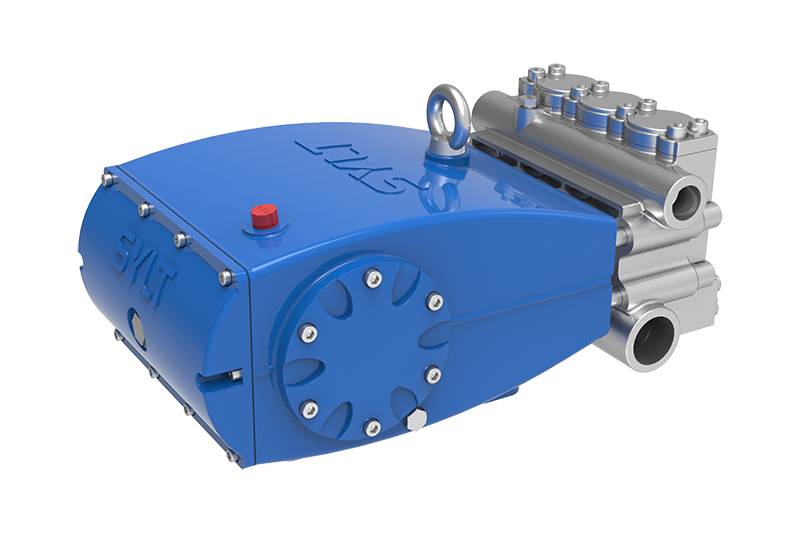
Unlocking Efficiency: The Role of High Pressure Injection Pumps in Industrial Applications
Table of Contents
- Introduction to High Pressure Injection Pumps
- What Are High Pressure Injection Pumps?
- Applications of High Pressure Injection Pumps in Industry
- Advantages of Using High Pressure Injection Pumps
- How High Pressure Injection Pumps Work
- Key Factors in Selecting a High Pressure Injection Pump
- Common Misconceptions About High Pressure Injection Pumps
- Maintenance and Care for High Pressure Injection Pumps
- Frequently Asked Questions
- Conclusion
Introduction to High Pressure Injection Pumps
High pressure injection pumps are vital components in various industrial applications, serving as the backbone for processes that require precise material delivery under immense pressure. These pumps are engineered to handle the rigors of high-pressure environments, maximizing efficiency while minimizing waste. As industries evolve, the demand for reliable and efficient pumping solutions continues to escalate, making high pressure injection pumps more relevant than ever.
What Are High Pressure Injection Pumps?
High pressure injection pumps are specialized devices designed to inject liquids into a system at elevated pressures. They operate primarily in applications requiring the transfer of fluids, such as chemicals, water, or other process liquids, where accurate control and delivery are essential.
These pumps come in various types, including positive displacement pumps, centrifugal pumps, and more, each serving specific purposes and applications. **Positive displacement pumps** are particularly noteworthy for their ability to move fluids efficiently at high pressures, making them suitable for demanding industrial environments.
Applications of High Pressure Injection Pumps in Industry
High pressure injection pumps find their use in numerous industrial applications, including:
1. Chemical Processing
In chemical manufacturing, high pressure injection pumps play a crucial role in the mixing and transferring of chemicals. They enable the precise delivery of reactive substances, ensuring the safety and efficiency of chemical reactions.
2. Oil and Gas Industry
The oil and gas sector relies heavily on high pressure injection pumps for various tasks, including enhanced oil recovery, where fluids are injected into reservoirs to boost production. These pumps also facilitate the handling of drilling fluids and other essential processes.
3. Water Treatment
High pressure injection pumps are instrumental in water treatment facilities, aiding in the injection of chemicals for purification and disinfection. Their reliability ensures that water quality meets stringent regulatory standards.
4. Food and Beverage Processing
In the food industry, these pumps are used to inject flavors, preservatives, or carbon dioxide into products. The pumps' ability to operate at high pressures ensures consistency and quality in food manufacturing.
5. Pharmaceutical Manufacturing
The pharmaceutical industry demands precision and reliability, making high pressure injection pumps essential for the accurate dosing of active ingredients in medication formulations.
Advantages of Using High Pressure Injection Pumps
The incorporation of high pressure injection pumps into industrial processes offers numerous benefits:
1. Enhanced Efficiency
High pressure injection pumps significantly improve the efficiency of fluid transport, reducing process times and enhancing overall productivity.
2. Precise Control
These pumps provide precise control over fluid delivery, ensuring that the correct amount of fluid is injected, which is critical in applications such as chemical reactions and pharmaceuticals.
3. Reduced Waste
By ensuring accurate fluid delivery, high pressure injection pumps minimize material waste, leading to cost savings and a more sustainable operation.
4. Versatility
High pressure injection pumps are adaptable to various applications across industries, making them a valuable asset in diverse manufacturing environments.
5. Increased Safety
With their ability to handle hazardous materials safely, high pressure injection pumps enhance workplace safety by reducing the risk of spills and leaks.
How High Pressure Injection Pumps Work
Understanding the operation of high pressure injection pumps is essential for optimizing their use. These pumps work by converting mechanical energy into hydraulic energy to create pressure that moves the fluid.
The basic operation involves:
1. **Suction Phase**: The pump draws fluid into the chamber.
2. **Compression Phase**: A piston or diaphragm compresses the fluid, increasing its pressure.
3. **Injection Phase**: The pressurized fluid is forced out of the pump and into the desired system.
Each pump type may have a unique mechanism; for instance, positive displacement pumps utilize a fixed chamber to ensure consistent flow, while centrifugal pumps rely on rotational energy to move fluids.
Key Factors in Selecting a High Pressure Injection Pump
When choosing a high pressure injection pump, several critical factors must be considered:
1. Fluid Characteristics
Understanding the properties of the fluid being pumped is essential. Factors such as viscosity, temperature, and chemical compatibility will influence the selection of the appropriate pump type.
2. Required Flow Rate
Determining the necessary flow rate is crucial for selecting a pump that meets operational demands without overworking the system.
3. Operating Pressure
The pump must be rated for the maximum pressure required in the application to prevent failures and ensure longevity.
4. Maintenance Requirements
Consider the maintenance needs of the pump, as some models may require more frequent servicing than others, impacting operational efficiency.
5. Cost Considerations
While initial costs are important, evaluating the total cost of ownership, including maintenance and operational costs, is essential for making a sound investment.
Common Misconceptions About High Pressure Injection Pumps
Several misconceptions surround high pressure injection pumps, affecting their selection and use:
1. All Pumps Are the Same
Not all high pressure injection pumps are interchangeable; each type is designed for specific applications and fluid characteristics.
2. Higher Pressure Equals Better Performance
While high pressure is essential for certain applications, excessive pressure can lead to increased wear and tear, reducing the pump's lifespan.
3. Maintenance Is Optional
Neglecting maintenance can lead to pump failures, reduced efficiency, and increased operational costs.
Maintenance and Care for High Pressure Injection Pumps
Proper maintenance is paramount for ensuring the longevity and efficiency of high pressure injection pumps. Regular checks should include:
1. Routine Inspections
Conduct regular inspections to identify wear and tear, leaks, or any irregularities.
2. Lubrication
Ensure that all moving parts are regularly lubricated to minimize friction and wear.
3. Cleaning
Keep the pump clean to prevent clogs and ensure smooth operation.
4. Monitoring Performance
Track the pump's performance metrics, such as flow rate and pressure, to identify any deviations that may indicate a problem.
Frequently Asked Questions
1. What is the lifespan of a high pressure injection pump?
The lifespan varies based on usage and maintenance but can range from several years to over a decade with proper care.
2. Can high pressure injection pumps handle corrosive fluids?
Yes, many high pressure injection pumps are designed with materials that resist corrosion, but it's essential to select a pump specifically rated for corrosive fluids.
3. How do I know what size pump I need?
Calculate the required flow rate and pressure for your application, and consult with a pump specialist to ensure you select the correct size.
4. Are high pressure injection pumps energy-efficient?
Many modern high pressure injection pumps are designed for energy efficiency, but it’s crucial to choose a model specifically engineered for low energy consumption.
5. What should I do if my pump fails?
First, turn off the system to prevent further damage, then consult the manufacturer’s guidelines for troubleshooting or contact a professional for assistance.
Conclusion
High pressure injection pumps play an indispensable role in a variety of industrial applications, enhancing efficiency, precision, and safety. By understanding their operational mechanisms, applications, and maintenance requirements, industries can unlock significant productivity gains and cost savings. As technology continues to advance, investing in the right high pressure injection pump is essential for maintaining a competitive edge in the ever-evolving industrial landscape.

The 17th China International Powder Metallurgy and Hard Alloy Exhibition
The 2025 17th China International Powder Metallurgy and Hard Alloy Exhibition from March 10-12, 2025, at the Shanghai World Expo Exhibition and Convention Center, Hall H1, B425. We welcome guests to visit.
"Private custom" product design, reliable and durable finished products
"Private custom" like product design, reliable and durable finished products, professional and timely after-sales service. It is the "three basic concepts" that the company adheres to from the beginning until today ".
Experienced market research team, independent product development concept
We have experienced mature market research team, independent product research and development concept, professional design and manufacturing technology so that the company's products can be adjusted according to the specific requirements of customers timely design
Contact CONTACT
Address: No.2 Road, Xiaodian Town Industrial Zone, Beichen District, Tianjin


