
双耀
Hydraulic Fracturing Equipment: Enhancing Safety in High-Pressure Environments
Hydraulic Fracturing Equipment: Enhancing Safety in High-Pressure Environments
Table of Contents
- Introduction to Hydraulic Fracturing Equipment
- The Importance of Safety in High-Pressure Operations
- Types of Hydraulic Fracturing Equipment
- Safety Standards for Hydraulic Fracturing
- Best Practices in Hydraulic Fracturing Safety
- Technological Advancements in Safety Equipment
- Emergency Response Procedures
- Future Trends in Hydraulic Fracturing Safety
- Frequently Asked Questions
- Conclusion
Introduction to Hydraulic Fracturing Equipment
Hydraulic fracturing, commonly known as fracking, is a vital technique used in the extraction of oil and natural gas from deep underground. This method involves injecting high-pressure fluid into subsurface rock formations, creating fractures that allow hydrocarbons to flow more freely. The equipment used in this process plays a crucial role in maintaining safety and efficiency. As operations occur in high-pressure environments, the design and maintenance of hydraulic fracturing equipment are paramount for minimizing risk and ensuring safe practices.
The Importance of Safety in High-Pressure Operations
In the hydraulic fracturing process, safety cannot be overemphasized. High-pressure environments pose various risks, including equipment failure, blowouts, and environmental hazards. Ensuring the safety of personnel and the environment is fundamental. A robust safety framework encompasses proper training, adherence to regulatory standards, and the implementation of advanced technologies.
Moreover, the financial implications of accidents can be significant, with costs associated with damages, legal liability, and operational downtime. Therefore, investing in high-quality equipment and safety systems is not only a moral obligation but also a sound business decision.
Types of Hydraulic Fracturing Equipment
Hydraulic fracturing operations utilize several key types of equipment that directly influence safety and efficiency. Understanding these components is essential for ensuring their proper operation.
High-Pressure Pumps
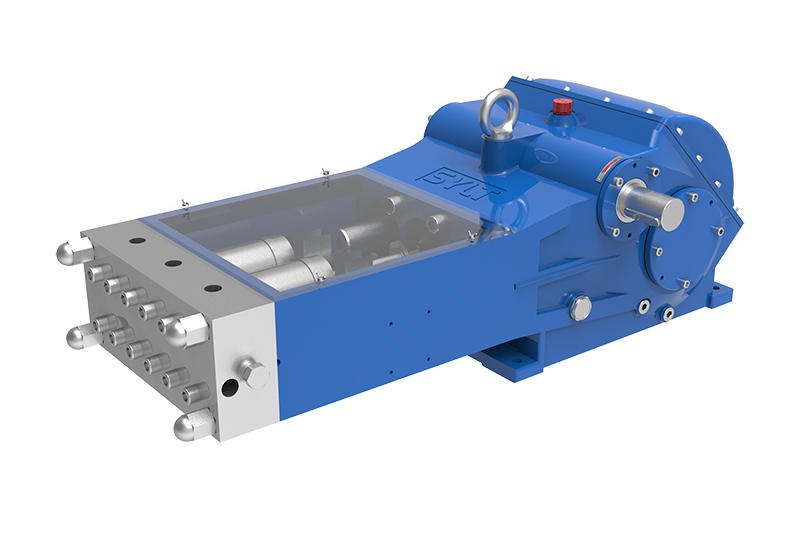
High-pressure pumps are the core of hydraulic fracturing operations. They are responsible for delivering fluid at extremely high pressures to fracture the rock formations. These pumps must be durable and capable of handling the stresses of operation under high pressure. Regular maintenance is crucial to prevent failures that could result in safety hazards.
Advancements in pump technology have led to the development of more reliable and efficient models. These modern pumps feature enhanced materials that resist wear and corrosion, thereby extending their lifespan and improving safety.
Blending Systems
Blending systems are responsible for mixing the fracturing fluids, which typically consist of water, proppants, and chemical additives. The accuracy of these systems is critical, as improper fluid mixtures can compromise the effectiveness of the fracturing process and increase safety risks.
High-quality blending systems incorporate automated controls and monitoring systems to ensure precise ratios and timely adjustments, reducing the likelihood of human error.
Manifolds
Manifolds are essential for directing the flow of fluids in hydraulic fracturing operations. They help to manage the high-pressure systems and ensure that the fracturing fluid is delivered efficiently. The design of the manifold system must accommodate the operational pressures and provide adequate safety measures to prevent leaks or ruptures.
Regular inspections and updates to manifold systems can significantly enhance safety by identifying potential issues before they escalate into serious problems.
Safety Standards for Hydraulic Fracturing
Adhering to industry safety standards is crucial for all hydraulic fracturing operations. Regulatory bodies, such as the Occupational Safety and Health Administration (OSHA) and the Environmental Protection Agency (EPA), set guidelines that must be followed to protect workers and the environment.
Compliance with these standards involves routine safety audits, training programs for employees, and investment in safety equipment. Companies that prioritize these standards not only enhance safety but also improve their reputation and operational efficiency.
Best Practices in Hydraulic Fracturing Safety
Implementing best practices is vital for ensuring safety during hydraulic fracturing operations. These practices include:
1. **Comprehensive Training Programs**: Ensuring that all employees are well-trained in safety protocols and equipment operation is essential. Regular refresher courses can keep staff updated on new technologies and practices.
2. **Routine Equipment Inspections**: Regular checks on high-pressure pumps, blending systems, and manifolds can help identify issues before they lead to failures.
3. **Emergency Preparedness**: Developing thorough emergency response plans can save lives and minimize environmental impact during an incident.
4. **Use of Personal Protective Equipment (PPE)**: Providing employees with appropriate PPE, such as helmets, gloves, and eye protection, is crucial for safeguarding against accidents.
5. **Monitoring Systems**: Utilizing advanced monitoring systems allows for real-time data collection and assessment, enabling quick responses to any irregularities in operation.
Technological Advancements in Safety Equipment
The hydraulic fracturing industry is constantly evolving, with new technologies emerging that enhance safety. Innovations such as smart sensors, automated systems, and advanced control technologies improve monitoring capabilities and reduce the likelihood of human error.
For instance, smart sensors can detect pressure anomalies in real-time, alerting operators to potential risks before they escalate. Automated shut-off systems can quickly halt operations in case of an emergency, further protecting personnel and equipment.
Emergency Response Procedures
Having a well-structured emergency response plan is a fundamental aspect of safety in hydraulic fracturing operations. This plan should include:
- **Clear Communication Protocols**: Effective communication among team members and with local emergency services is essential during an incident.
- **Designated Emergency Roles**: Assigning specific roles to personnel during an emergency can streamline response efforts and minimize confusion.
- **Regular Drills and Simulations**: Conducting drills to practice emergency procedures ensures that all team members are prepared to act swiftly and efficiently.
- **After-Action Reviews**: Analyzing incidents afterward helps identify areas for improvement and enhances future preparedness.
Future Trends in Hydraulic Fracturing Safety
The future of hydraulic fracturing safety is expected to be shaped by several trends:
- **Increased Automation**: As technology advances, more processes are likely to be automated, reducing the risk of human error and enhancing safety.
- **Sustainability Practices**: The industry is moving towards more sustainable practices that minimize environmental impact, which also contributes to safety improvements.
- **Data Analytics**: Utilizing big data can enhance decision-making processes and operational safety by providing insights into trends and potential risks.
- **Collaboration with Regulatory Bodies**: Ongoing partnerships between companies and regulatory agencies will help establish and refine safety standards and practices.
Frequently Asked Questions
What is hydraulic fracturing?
Hydraulic fracturing is a method used to extract oil and gas from underground rock formations by injecting high-pressure fluid to create fractures.
Why is safety important in hydraulic fracturing?
Safety is crucial due to the high-pressure environment and potential risks associated with equipment failure, blowouts, and environmental hazards.
What types of equipment are used in hydraulic fracturing?
Key types of equipment include high-pressure pumps, blending systems, and manifolds, all of which play significant roles in the fracturing process.
How can companies enhance safety in hydraulic fracturing operations?
Companies can enhance safety by implementing best practices, adhering to safety standards, conducting regular inspections, and utilizing advanced technologies.
What is the role of technology in hydraulic fracturing safety?
Technology plays a vital role in monitoring, controlling, and automating processes, thereby reducing risks and improving overall safety in hydraulic fracturing operations.
Conclusion
Hydraulic fracturing equipment is essential in enhancing safety in high-pressure environments. By understanding the types of equipment involved, adhering to safety standards, and implementing best practices, companies can significantly reduce risks associated with hydraulic fracturing operations. Future advancements in technology and a focus on sustainability will further improve safety protocols, ensuring that the industry can operate efficiently while protecting personnel and the environment. Investing in safety is not just a regulatory requirement; it is a commitment to excellence and responsibility in the hydraulic fracturing sector.

The 17th China International Powder Metallurgy and Hard Alloy Exhibition
The 2025 17th China International Powder Metallurgy and Hard Alloy Exhibition from March 10-12, 2025, at the Shanghai World Expo Exhibition and Convention Center, Hall H1, B425. We welcome guests to visit.
"Private custom" product design, reliable and durable finished products
"Private custom" like product design, reliable and durable finished products, professional and timely after-sales service. It is the "three basic concepts" that the company adheres to from the beginning until today ".
Experienced market research team, independent product development concept
We have experienced mature market research team, independent product research and development concept, professional design and manufacturing technology so that the company's products can be adjusted according to the specific requirements of customers timely design
Contact CONTACT
Address: No.2 Road, Xiaodian Town Industrial Zone, Beichen District, Tianjin


