
双耀
From Grime to Shine: Top Tips for Operating a High Pressure Water Washer
From Grime to Shine: Top Tips for Operating a High Pressure Water Washer
High pressure water washers are powerful tools designed to tackle tough grime, dirt, and debris on a variety of surfaces. Whether you're cleaning your driveway, washing your car, or maintaining industrial equipment, understanding how to operate a high pressure water washer effectively can make all the difference. In this article, we will guide you through key tips, best practices, and safety measures to ensure your cleaning tasks are both efficient and safe.
Table of Contents
- Introduction
- Understanding High Pressure Water Washers
- What is a High Pressure Water Washer?
- Types of High Pressure Water Washers
- Essential Safety Precautions
- Preparing for Operation
- Choosing the Right Nozzle
- Setting Up Your Workspace
- Techniques for Effective Cleaning
- Cleaning Different Surfaces
- Optimal Angles and Distances
- Common Mistakes to Avoid
- Maintenance Tips for Longevity
- FAQs
- Conclusion
Understanding High Pressure Water Washers
What is a High Pressure Water Washer?
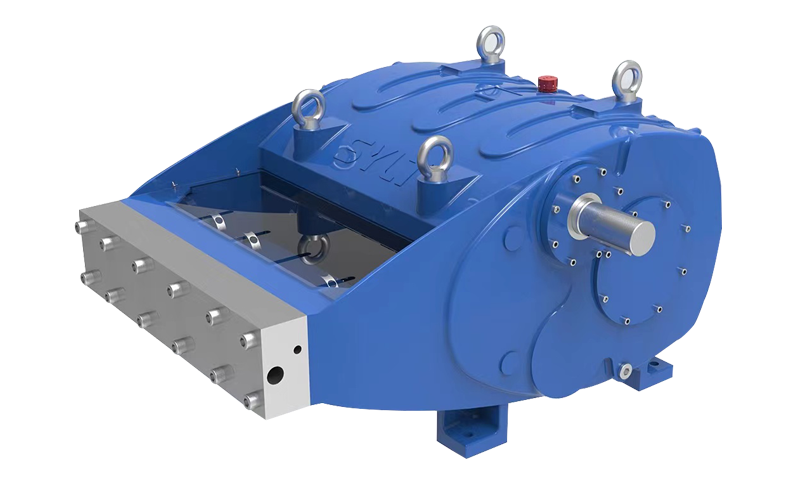
A high pressure water washer, often referred to as a pressure washer, uses high-pressure water jets to clean surfaces. This equipment is ideal for removing stubborn stains, dirt, and grime accumulated over time. The high-pressure water stream can break down tough residues, making cleaning tasks significantly easier compared to traditional methods.
Types of High Pressure Water Washers
High pressure water washers come in various types, including electric, gas, and diesel-powered models, each designed for specific cleaning tasks. Electric pressure washers are typically lighter and quieter, perfect for residential use. Gas-powered models, on the other hand, offer higher pressure levels and are ideal for heavy-duty cleaning tasks.
Essential Safety Precautions
Before operating a high pressure water washer, it is critical to prioritize safety. Here are some essential safety precautions:
- Always wear protective gear, including goggles, gloves, and sturdy footwear.
- Ensure the area is free from obstacles and people to avoid accidental injuries.
- Never point the nozzle at people, pets, or yourself.
- Be aware of your surroundings, especially when using the washer near electrical outlets or power lines.
- Follow the manufacturer’s guidelines for safe operation.
Preparing for Operation
Choosing the Right Nozzle
The nozzle you choose can significantly affect the cleaning efficiency. Different nozzles create varying spray patterns and pressure levels. For instance:
- The 0-degree nozzle produces a concentrated stream, ideal for tough stains.
- The 15-degree nozzle works well for stripping paint or heavy cleaning.
- The 25-degree nozzle is excellent for general cleaning tasks.
- The 40-degree nozzle is suitable for delicate surfaces.
Choosing the right nozzle based on the surface and level of dirt can enhance your cleaning results.
Setting Up Your Workspace
Preparing your workspace is crucial for effective cleaning and ensuring safety. Here are steps to follow:
- Clear the area of any furniture, decorations, or vehicles that could be damaged.
- Ensure that the surface is stable and free from debris.
- Set up a water supply connected to your pressure washer, ensuring there are no kinks in the hose.
Techniques for Effective Cleaning
Cleaning Different Surfaces
Different surfaces require different cleaning techniques. Here’s how to clean various surfaces effectively:
- Concrete: Use a 25-degree nozzle and maintain a distance of 12-24 inches from the surface.
- Wood: Use a 40-degree nozzle to avoid damaging the wood fibers. Maintain a distance of 24-36 inches.
- Vehicles: Use a 25 or 40-degree nozzle, keeping a distance of at least 24 inches to prevent paint damage.
Optimal Angles and Distances
Maintaining the correct angle and distance from the surface is crucial for effective cleaning. Generally, a 45-degree angle helps to dislodge dirt without causing damage. Always start from a greater distance, gradually moving closer as needed.
Common Mistakes to Avoid
Even experienced users can make mistakes. Here are some common pitfalls to avoid:
- Using the wrong nozzle for the task, leading to ineffective cleaning.
- Holding the nozzle too close to the surface, which can cause damage.
- Neglecting safety gear, putting yourself at risk of injury.
- Failing to follow proper maintenance routines, leading to equipment malfunction.
Maintenance Tips for Longevity
Regular maintenance extends the lifespan of your high pressure water washer. Here are some maintenance tips:
- Flush the system after each use to remove any debris.
- Inspect hoses and connections for leaks or wear.
- Store the washer in a dry, sheltered area to protect it from the elements.
- Follow the manufacturer's service schedule for routine checks and part replacements.
FAQs
1. Can I use a high pressure water washer on all surfaces?
Not all surfaces can withstand high pressure washing. Soft materials like wood or delicate surfaces may require a gentler approach.
2. How often should I clean my driveway with a pressure washer?
It is advisable to clean your driveway at least once a year, but more frequent cleanings might be necessary in areas with heavy staining or dirt buildup.
3. What should I do if my pressure washer won't start?
Check the power supply, inspect the fuel levels (for gas models), and ensure that the hose is correctly attached and free from kinks.
4. Can I use soap with my pressure washer?
Yes, many pressure washers have a soap dispenser, but ensure you use a detergent specifically designed for pressure washers to avoid damage.
5. Is it safe to use a pressure washer around electrical outlets?
Always exercise caution around electrical outlets. Keep the pressure washer at a safe distance and avoid spraying directly at electrical sources.
Conclusion
Operating a high pressure water washer can transform your cleaning tasks from mundane to efficient and effective. By understanding the equipment, following safety precautions, preparing your workspace, and employing the right techniques, you can achieve remarkable results. Avoid common mistakes, adhere to maintenance tips, and your high pressure water washer will serve you well for years to come. With these insights and strategies, your journey from grime to shine will be both successful and satisfying.

The 17th China International Powder Metallurgy and Hard Alloy Exhibition
The 2025 17th China International Powder Metallurgy and Hard Alloy Exhibition from March 10-12, 2025, at the Shanghai World Expo Exhibition and Convention Center, Hall H1, B425. We welcome guests to visit.
"Private custom" product design, reliable and durable finished products
"Private custom" like product design, reliable and durable finished products, professional and timely after-sales service. It is the "three basic concepts" that the company adheres to from the beginning until today ".
Experienced market research team, independent product development concept
We have experienced mature market research team, independent product research and development concept, professional design and manufacturing technology so that the company's products can be adjusted according to the specific requirements of customers timely design
Contact CONTACT
Address: No.2 Road, Xiaodian Town Industrial Zone, Beichen District, Tianjin


