
双耀
The Impact of Different Flow Media on High-Pressure Plunger Pumps
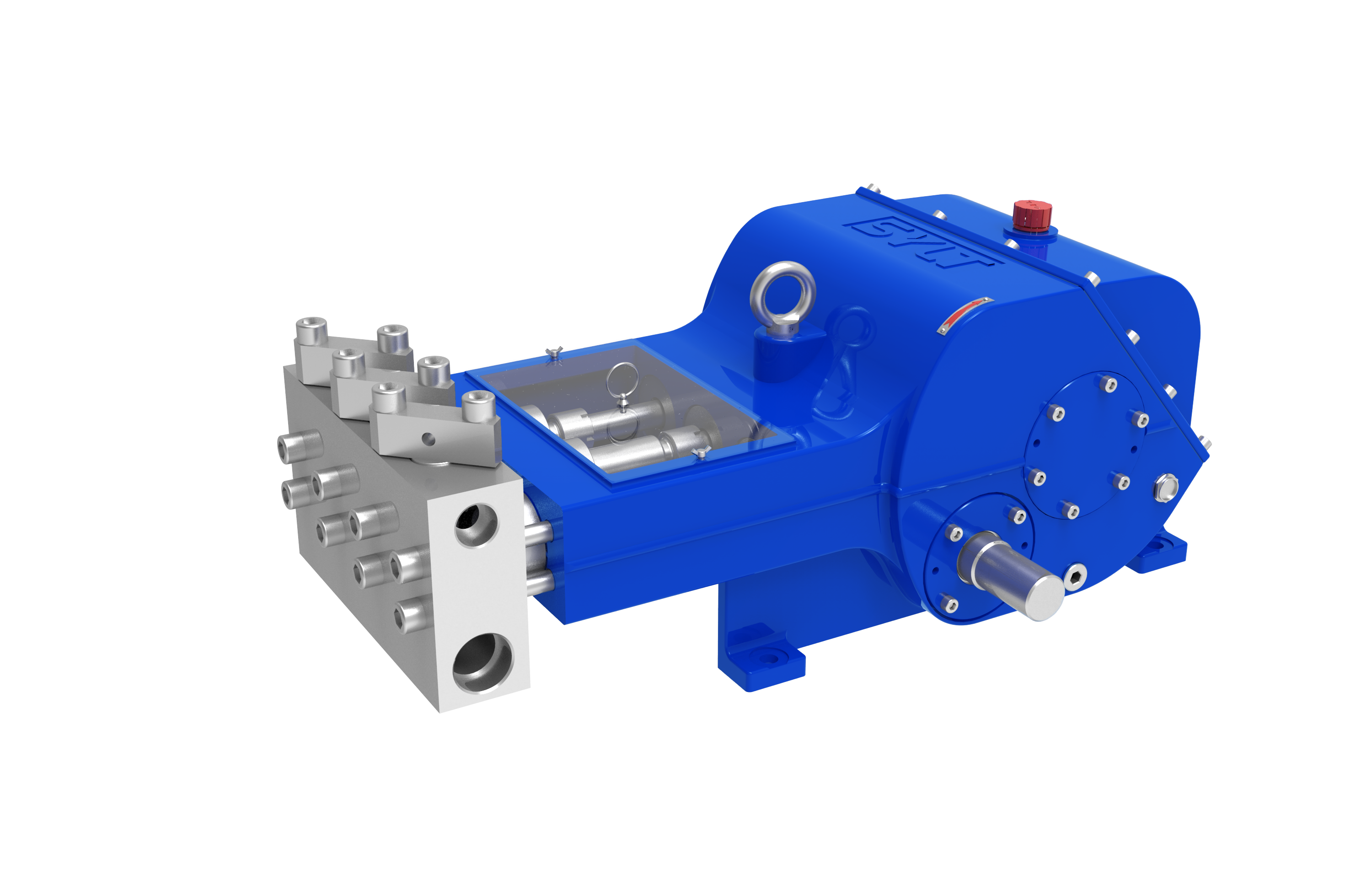
The Impact of Different Flow Media on High-Pressure Plunger Pumps
1. Clear water (municipal tap water / purified water)
Medium characteristics: No particles, non-corrosive, low viscosity.
Impact on the pump
- It causes minimal wear to the plunger, seals, and check valve, ensuring the most stable operation.
- Good cooling and lubrication performance, low temperature rise in the pump unit, and minimal leakage.
- Can operate continuously at full load for extended periods and has the longest service life.
Conclusion: The optimal operating condition for the high-pressure plunger pump is the medium.
II. Wastewater containing silt and sediment (municipal sewage, rainwater, river water, and reclaimed water from pipeline networks)
Medium characteristics: Contains sand, silt, fine hard particles, and has high suspended solids content.
Impact on the pump
- Rapid wear of the plunger and seals: Particles enter the sealing pair, causing tearing and scratches, significantly reducing the seal’s service life and increasing leakage.
- Erosion of the inlet/outlet valve (check valve) sealing surface: The valve seat and valve ball are not tightly sealed, resulting in pressure drop and reduced flow rate.
- Cylinder block and valve cavity erosion: Increased surface roughness of the inner walls leads to a decrease in volumetric efficiency.
- The filtration system is prone to clogging: Insufficient water supply filtration can directly lead to pump failure.
Conclusion: For the most common operating conditions in municipal drainage applications, it is essential to enhance filtration and incorporate wear-resistant components.
3. Oil-containing media (oil-contaminated substances, catering wastewater, oil-sludge mixtures)
Medium characteristics: Contains oils and oil stains, has relatively high viscosity, and exhibits some lubricity.
Impact on the pump
- Swelling, softening, and failure of rubber seals: Ordinary nitrile rubber will rapidly age, deform, and lose its sealing capability.
- Increased viscosity leads to poorer suction performance and makes cavitation and flow instability more likely.
- Although it has some lubricity, the oil sludge tends to adhere to valve components, causing them to become stuck.
Conclusion: Oil-resistant sealing materials are required, and filtration should be enhanced.
4. Corrosive media (acidic wastewater, alkaline effluent, chloride-containing water)
Medium characteristics: pH deviates from neutrality and contains corrosive ions.
Impact on the pump
- Chemical corrosion of plungers, valve components, and pump heads: Pitting and rusting of ordinary stainless steel.
- The seal has been corroded, become brittle, and cracked.
- Surface rusting exacerbates abrasive wear, resulting in a dual failure mechanism of corrosion plus wear.
Conclusion: It is essential to select higher-grade corrosion-resistant stainless steel or specialized alloys.
V. Hot Water / Warm Water
Medium characteristics: Water temperature > 40℃, even exceeding 80℃.
Impact on the pump
- The seals experience accelerated aging and thermal failure, resulting in a significant reduction in their service life.
- Lubricating oil/grease heats up rapidly, and its lubrication performance declines.
- As the vaporization pressure of water increases, the tendency for cavitation also increases, making the pump more prone to abnormal noises and vibrations.
Conclusion: High-temperature-resistant sealing + forced cooling required.
VI. Summary of Media Effects (Core Professional Conclusions)
- Clear water Minimal wear, highest efficiency, and longest lifespan.
- Sand-containing wastewater : With Abrasive wear For the pump, this is the primary cause of failure for plunger pumps.
- Oil-containing medium : With Sealing Swelling Failure For the master.
- Corrosive medium : With Chemical corrosion + Electrochemical corrosion For the master.
- High-temperature medium : With Sealed thermal aging + cavitation For the master.
VII. Key Recommendations for the Municipal Drainage Industry
- As far as possible, use clean water as the high-pressure water source and avoid directly drawing sand-laden wastewater.
- Multi-stage precision filtration must be configured to reduce particle ingress into the pump chamber.
- For oil-containing and corrosive service conditions, use oil-resistant/corrosion-resistant seals and stainless steel valve assemblies.
- For long-term sewage operations, it is recommended to use wear-resistant plungers combined with reinforced sealing components.

The 17th China International Powder Metallurgy and Hard Alloy Exhibition
The 2025 17th China International Powder Metallurgy and Hard Alloy Exhibition from March 10-12, 2025, at the Shanghai World Expo Exhibition and Convention Center, Hall H1, B425. We welcome guests to visit.
"Private custom" product design, reliable and durable finished products
"Private custom" like product design, reliable and durable finished products, professional and timely after-sales service. It is the "three basic concepts" that the company adheres to from the beginning until today ".
Experienced market research team, independent product development concept
We have experienced mature market research team, independent product research and development concept, professional design and manufacturing technology so that the company's products can be adjusted according to the specific requirements of customers timely design
Contact CONTACT
Address: No.2 Road, Xiaodian Town Industrial Zone, Beichen District, Tianjin


